
Whiteout Protocol
Wave survival, first-person combat and a snowy arena. Two local configurations and a cloud baseline attempted the same prompt.
Local test machine: Apple M5 Pro · 64 GB unified memoryRun window 29 September — 18 October 202622 recorded runs
Hands-on experiments on an Apple M5 Pro with 64 GB of memory. See what local models build, which checks pass, and how the model and runtime perform during the work.
Most tasks use one prompt, without manual fixes. Exceptions are recorded on the run sheet; cloud baselines are labelled separately.
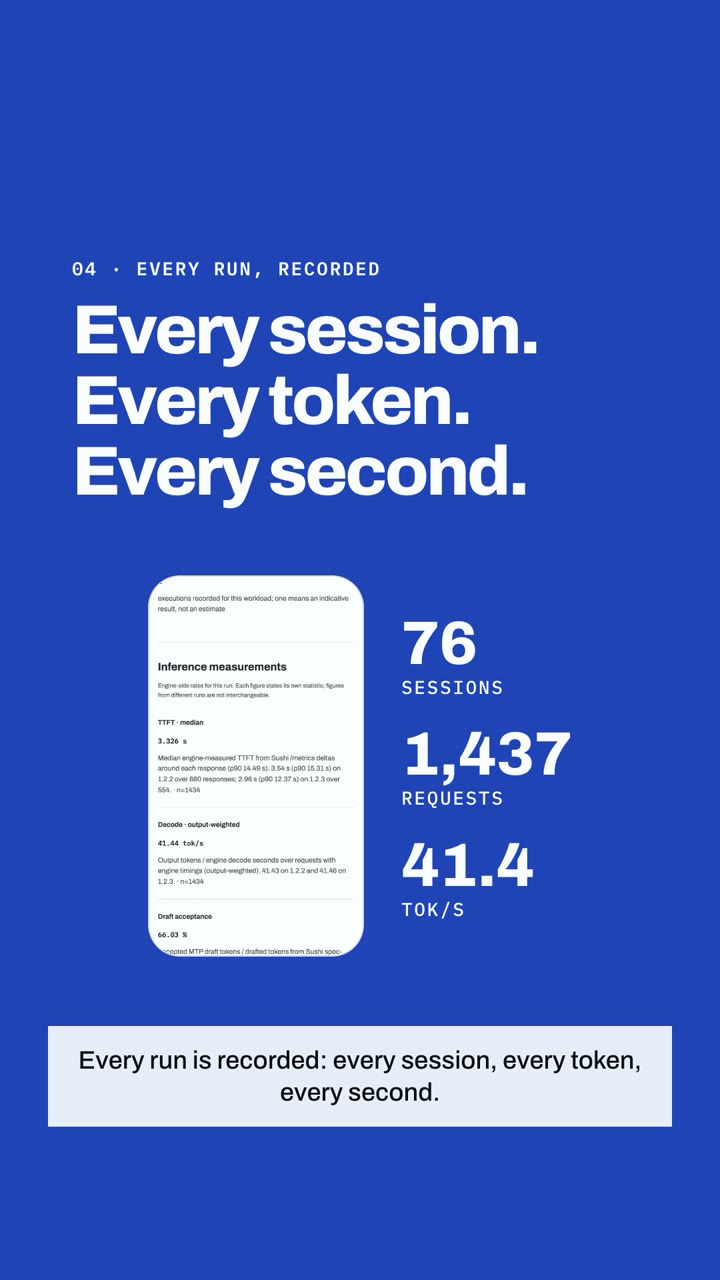
Latest run · 18 October 2026
The orchestrator reached COMPLETE after 6 h 45 min with no operator action and no failed session, and the final reviewer accepted all 36 requirements on its first cycle. The render follows the storyboard and the site's design system and passes all 23 hidden acceptance cases. Artistically it is modest: it reads like an animated slide deck. Its opening photograph, a generated image from the supplied pack, is visibly AI-made.
Wave survival, first-person combat and a snowy arena. Two local configurations and a cloud baseline attempted the same prompt.
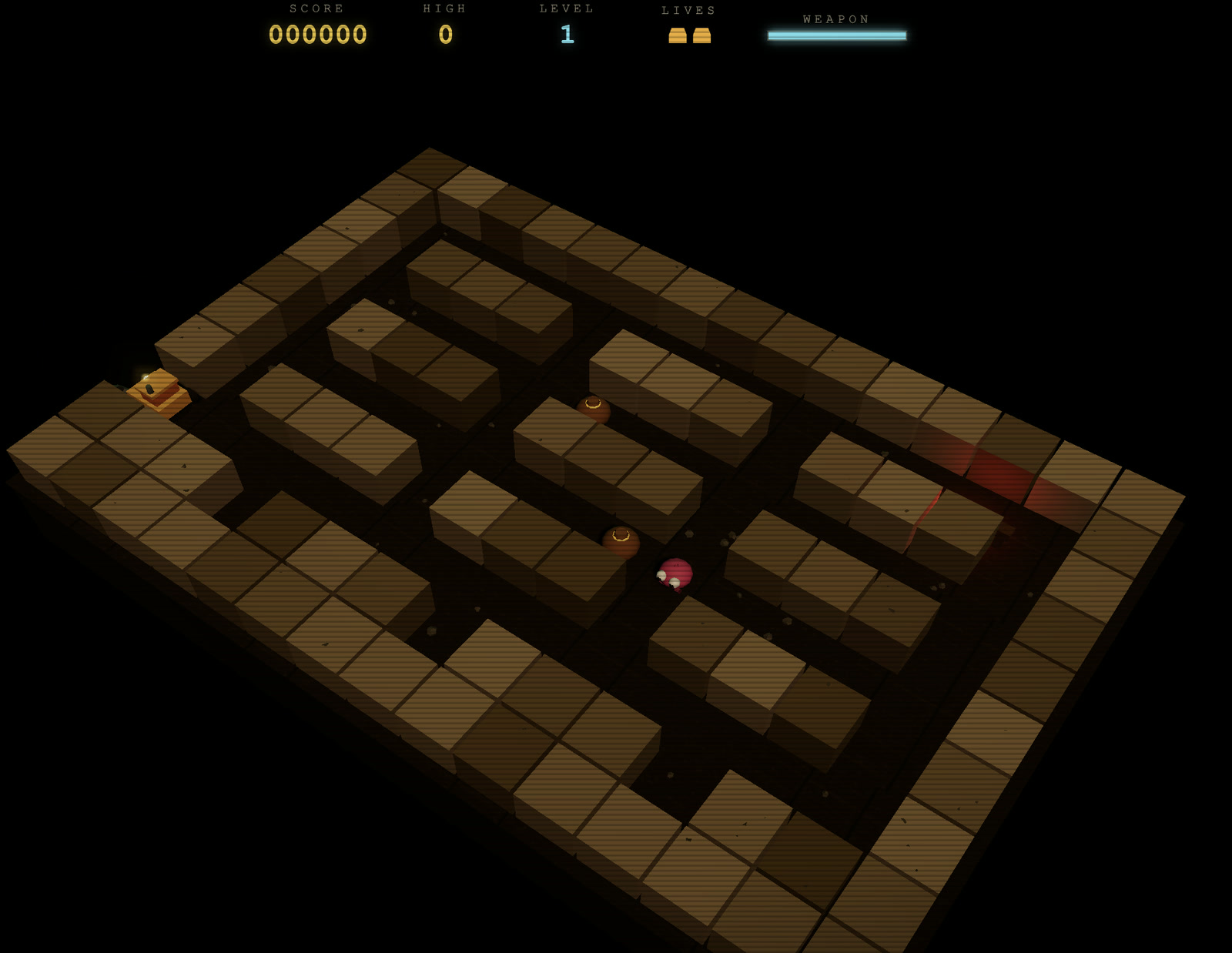
Deterministic grid simulation, excavation and five levels in an isometric Three.js scene.
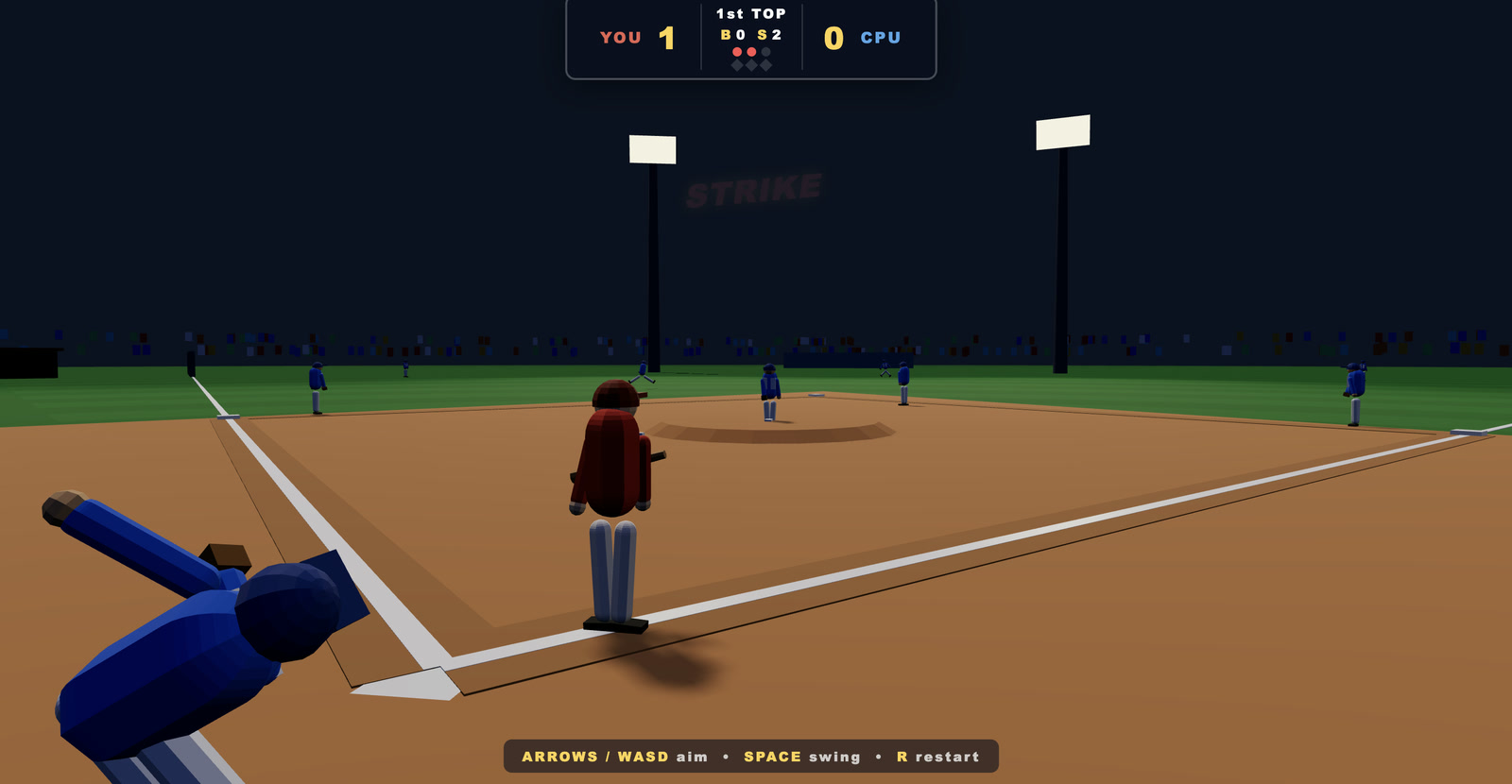
Batting, pitching, fielding and a full inning. Compare the generated games and their recorded checks.

A ten-stage third-person obstacle course with desktop and touch controls, checkpoints and varied hazards.

A staged long-horizon game build testing planning and state recovery across fresh sessions, with a playable western town and DRAW-based duels.

Completed a playable arcade Digger game and reported end-to-end verification.

Completed the voxel garden challenge and produced a single-file HTML artifact.
Latency · decode · cache
4K / 16K / 64K context
The same checkpoint served by Sushi and MLX-Serve. Inspect decode, latency and cache behaviour at each context rung, including the 64K memory-admission limit.
Captures and playable builds show the output. Each run sheet lists the checks and limitations recorded for that execution.
Decode, prefill, latency and session totals answer different questions. Every measurement keeps its statistic, unit and sample count.