Local Model Benchmarks

Local test machine: Apple M5 Pro · 64 GB unified memoryRun window 29 September — 18 October 202622 recorded runs

Workload · Agentic coding · isometric 3D arcade · Revision 1

Digger 3D

A one-shot coding challenge to build a playable Digger-inspired game with deterministic grid movement and excavation, collectibles, enemies, and multi-level progression in an isometric Three.js scene.

2 recorded attempts

The builds, side by side

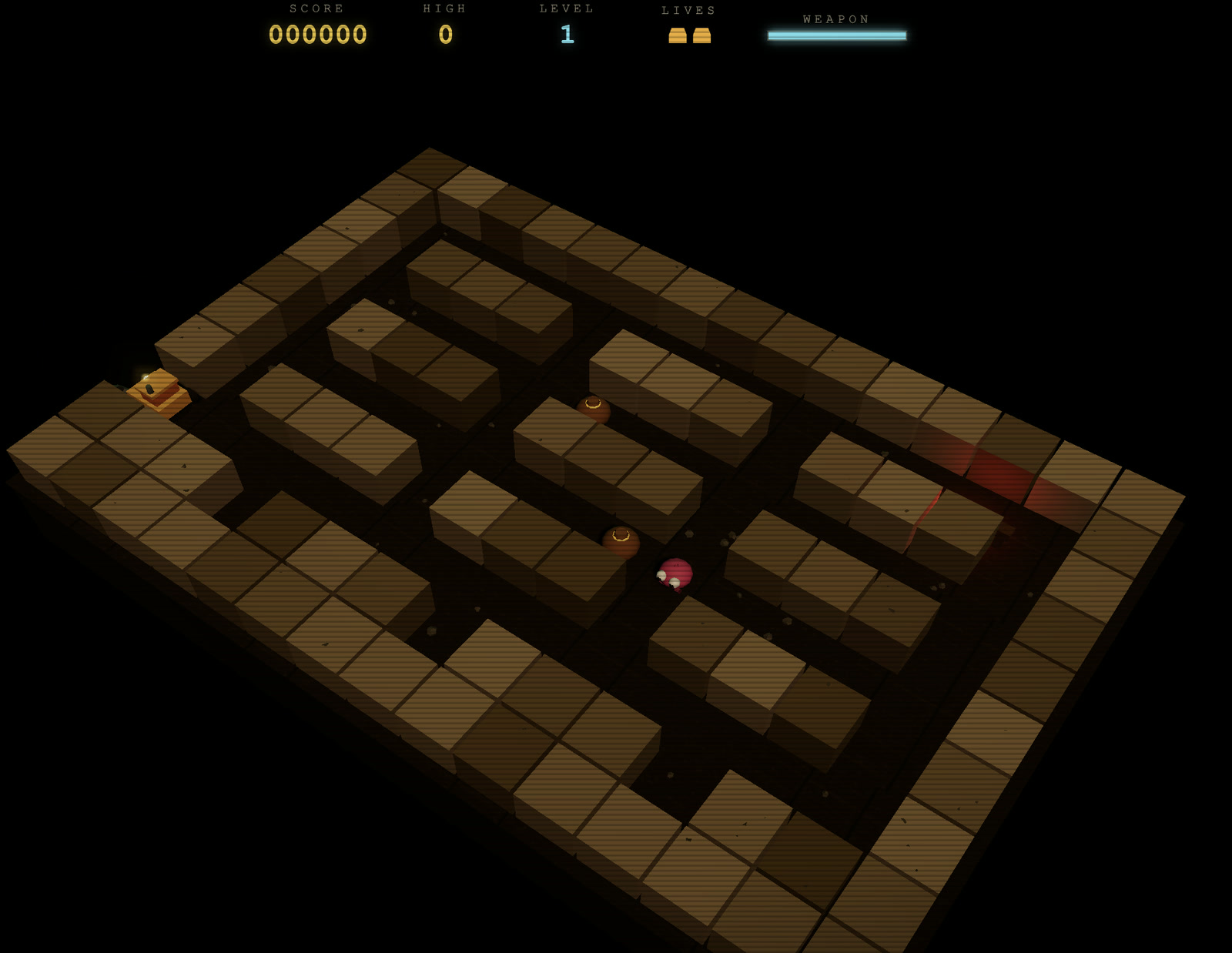
Digger 3D voxel maze with the player, enemies and level HUD visible
Digger 3D · gameplay capture

02 October 2026

Qwen 3.8 Flash Next

Sushi 1.1.0 · Pi coding agent

Local run

A deterministic grid simulation with an isometric presentation. The TypeScript check and production build passed, along with 28 of 28 self-tests and validation across all five levels.
Three.js licence notice

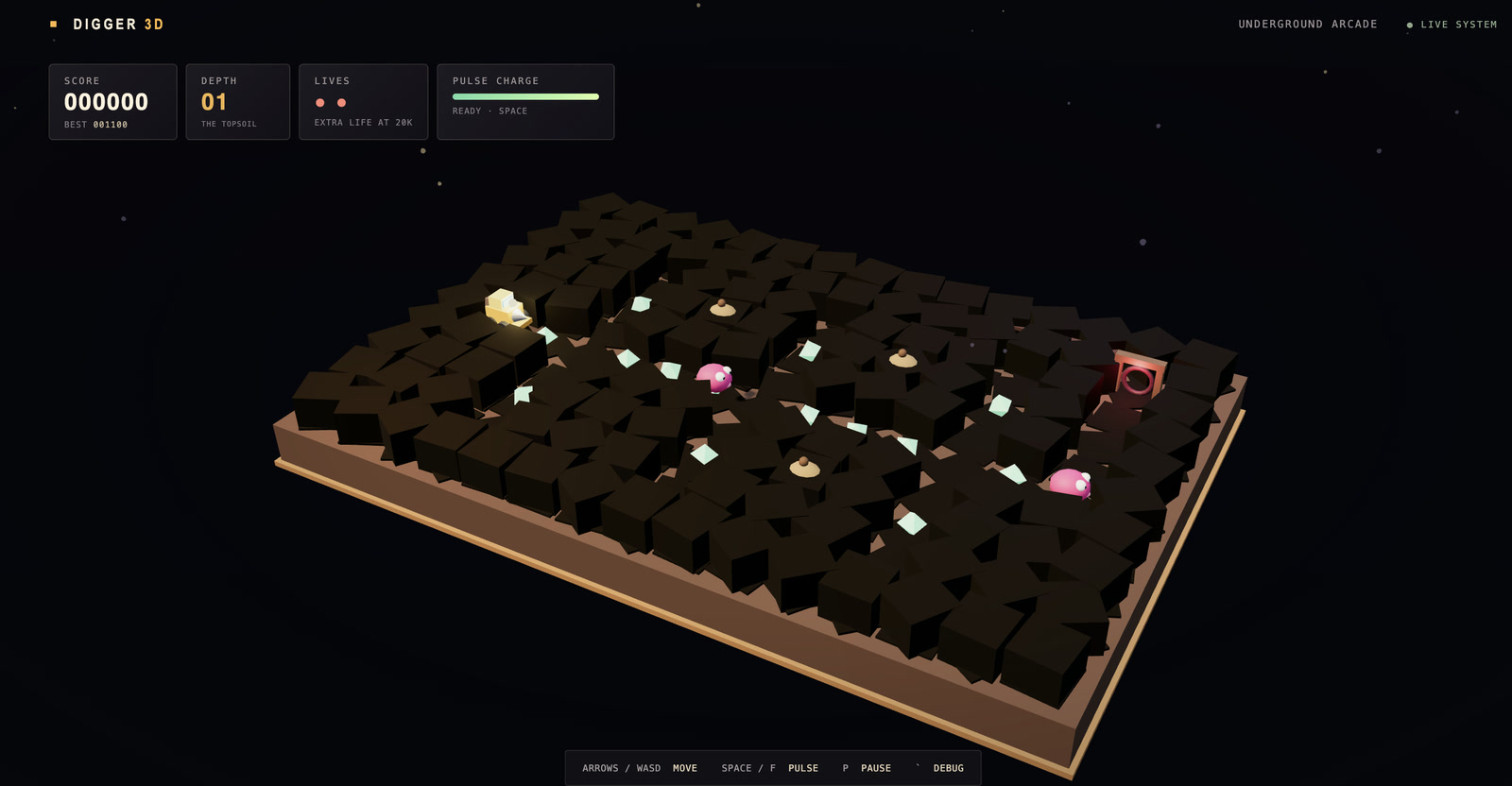
GPT-6 Luna Digger 3D gameplay showing the isometric grid and HUD
Digger 3D · GPT-6 Luna build · gameplay capture

03 October 2026

GPT-6 Luna

OpenAI Codex · xhigh reasoning · one-shot

Cloud baseline

Session notes report 28/28 simulation self-tests passing and a small interactive smoke check; manual acceptance remained partial.

Three.js licence notice

From the run records

Measured side by side

Wall time
Output tokens

Each attempt used its own engine, harness version and settings, and some sessions include waiting or outages. Hover a value for its exact definition, and read the run sheets before drawing conclusions. Cloud wall time includes provider queueing; local decode speed is per request on this machine.

Task requirements & full brief

Each attempt starts from a project scaffold and must deliver a complete, playable game loop rather than a partial scene. The checks recorded for each attempt are listed on its run sheet.

  • Deterministic grid-based movement and excavation.
  • Collectibles, enemies, and multi-level progression.
  • An isometric Three.js presentation that works in a modern desktop browser.
  • A separate archived build and run sheet for each attempt.

How to read this comparison

Compare the generated builds and the checks recorded for each attempt. There is no normalised quality score, and the cloud task’s cumulative token totals and end-to-end rate include repeated context, reasoning, tool calls and waiting — they are not comparable with local per-request decode or prefill rates. The method page sets out which figures can and cannot be set against each other.