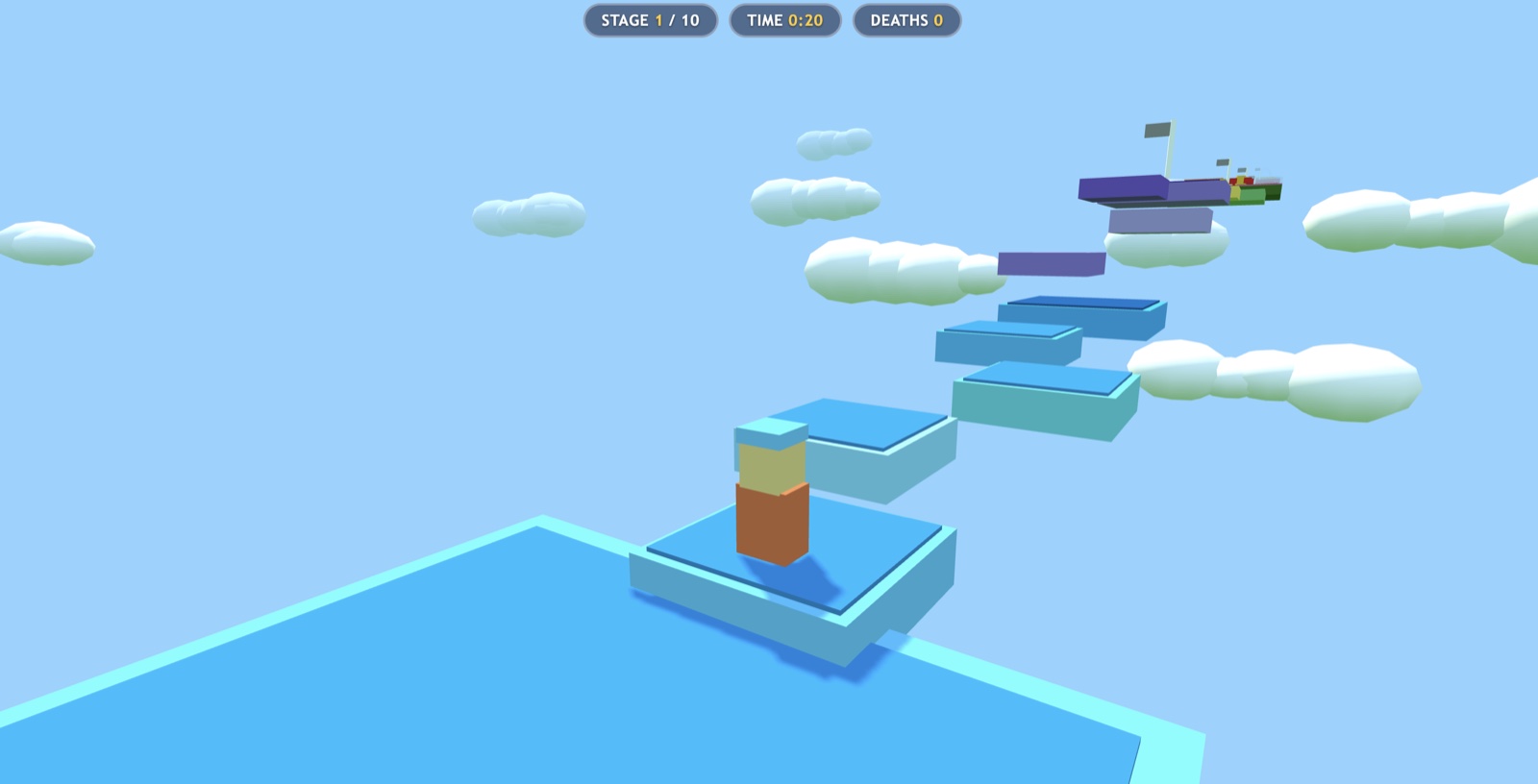
08 October 2026
Qwen 3.8 27B
Splash 1.3.0 · Pi coding agent
Local run
The final retained headless simulation completed all ten stages in 36.4 seconds with zero deaths. No independent browser or touch-device playthrough was retained.
Local test machine: Apple M5 Pro · 64 GB unified memoryRun window 29 September — 18 October 202622 recorded runs
Workload · Agentic coding · third-person 3D platform course · Revision 1
A coding challenge to build a complete, playable ten-stage obstacle course with desktop and touch controls, checkpoints, moving platforms and a clear finish. This page compares two local runs with different model and runtime configurations.
2 recorded attempts
08 October 2026
Splash 1.3.0 · Pi coding agent
The final retained headless simulation completed all ten stages in 36.4 seconds with zero deaths. No independent browser or touch-device playthrough was retained.
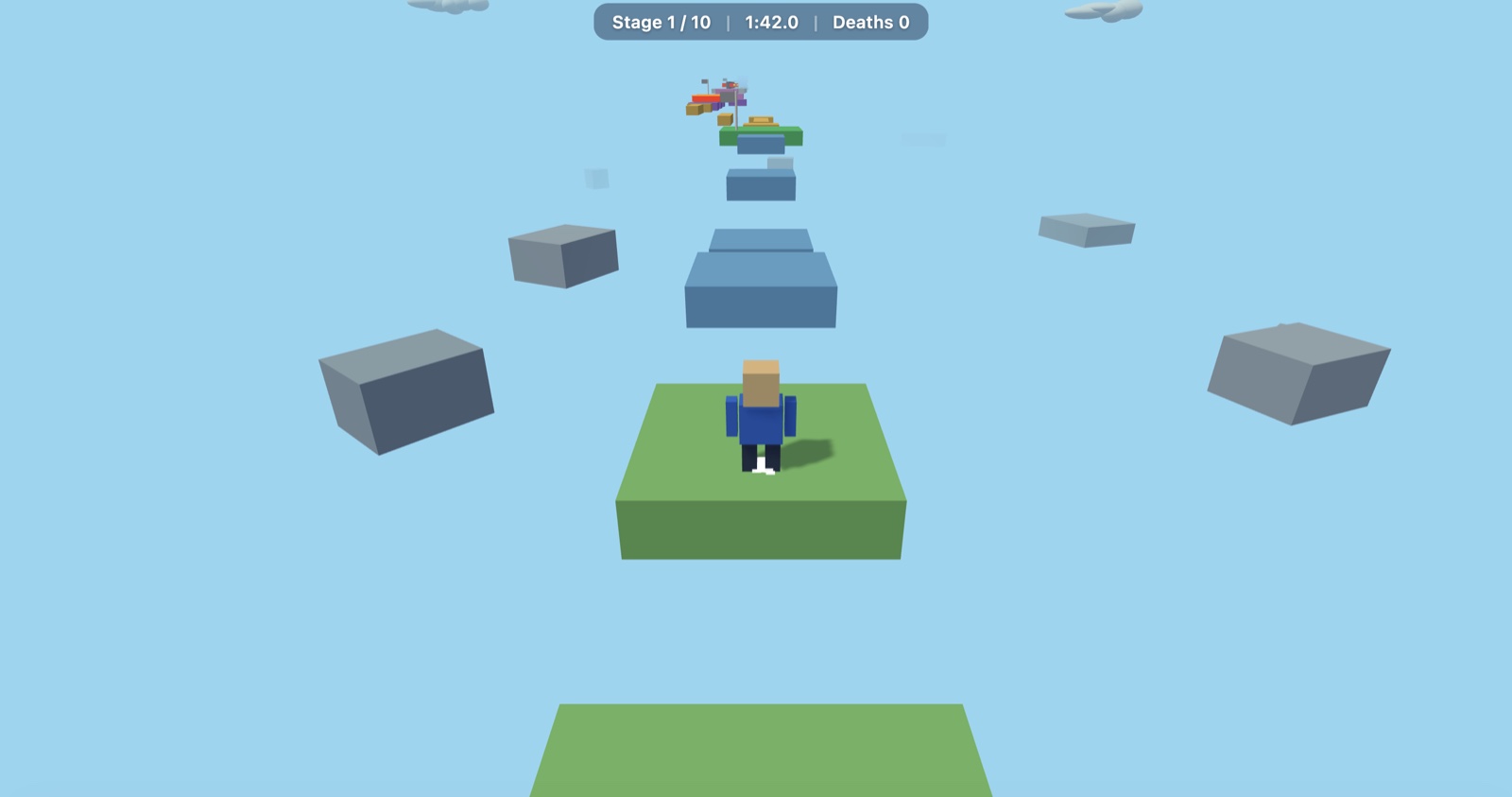
07 October 2026
Sushi 1.2.0 · Pi coding agent
The recorded headless checks report a valid route, a successful desktop/touch smoke test and three full bot completions. Each trial activated all five checkpoints; deaths fell from 12 to 8 to 5.
From the run records
Each attempt used its own engine, harness version and settings, and some sessions include waiting or outages. Hover a value for its exact definition, and read the run sheets before drawing conclusions. Cloud wall time includes provider queueing; local decode speed is per request on this machine.
The prompt specifies a browser-based third-person platform course with a fair, physically achievable route. The Sushi run sheet records a route validator, desktop/touch smoke check and headless trials. The Splash run sheet records a custom headless simulation; no independent browser or touch-device test was retained.
How to read this comparison
Compare the generated builds and the checks recorded for each attempt. There is no normalised quality score, and the cloud task’s cumulative token totals and end-to-end rate include repeated context, reasoning, tool calls and waiting — they are not comparable with local per-request decode or prefill rates. The method page sets out which figures can and cannot be set against each other.