Local Model Benchmarks

Local test machine: Apple M5 Pro · 64 GB unified memoryRun window 29 September — 18 October 202622 recorded runs

Workload · Agentic coding · wave-survival browser FPS · Revision 1

Whiteout Protocol

A one-shot coding challenge to build a playable, single-player wave-survival FPS for the browser. This page groups one cloud baseline with two local runs using different model and engine configurations — the most-repeated workload in the archive.

3 recorded attempts

The builds, side by side

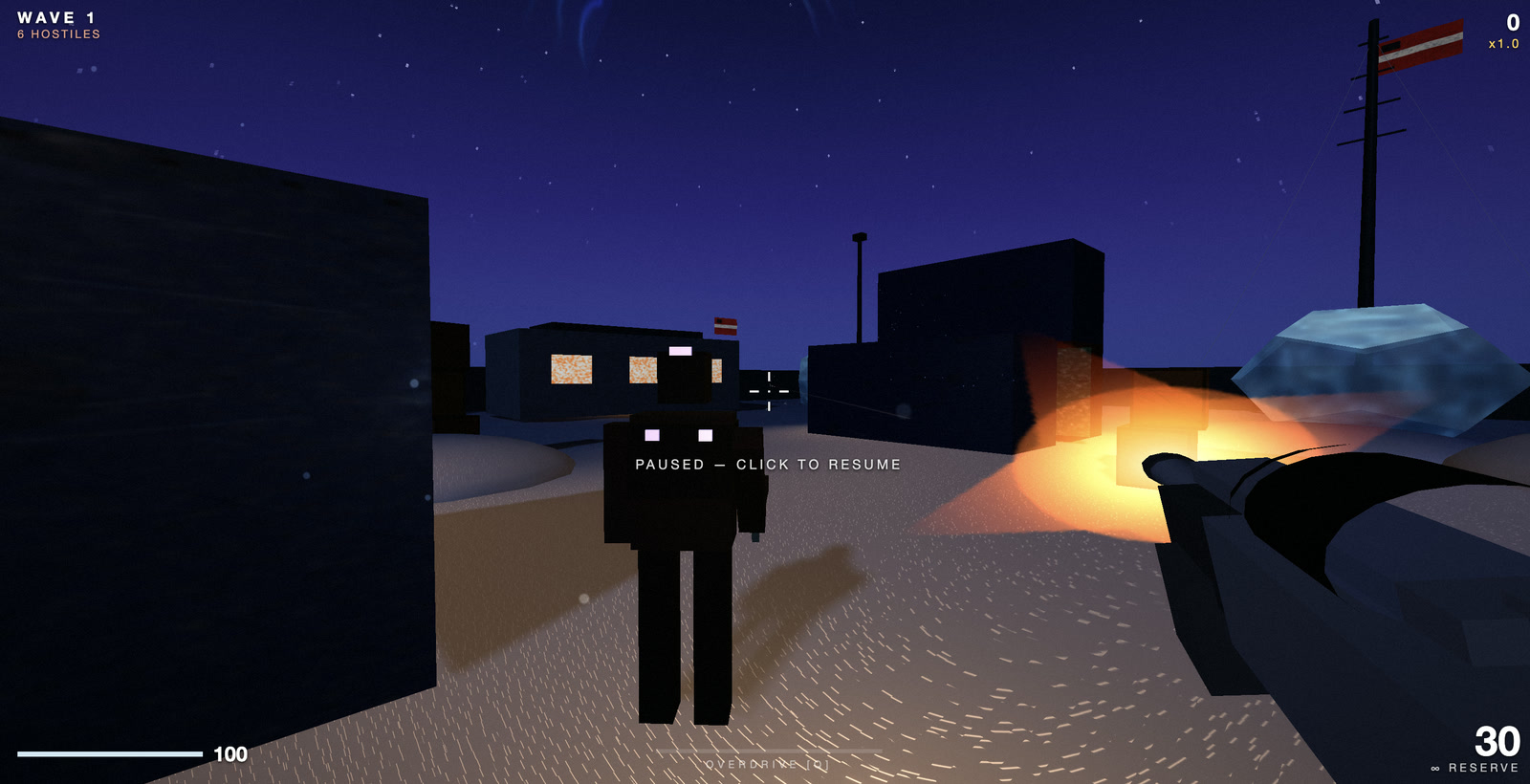
Whiteout Protocol Sushi gameplay during wave one, with hostiles and the player HUD visible
Whiteout Protocol · Sushi build · gameplay capture

29 September 2026

Qwen 3.8 Flash Next

Sushi 1.0.5 · Pi coding agent

Local run

A long-horizon browser FPS project. The production build passed and a 60-second gameplay bot reached wave three, exercising combat, damage, death and redeploy.
Three.js licence notice

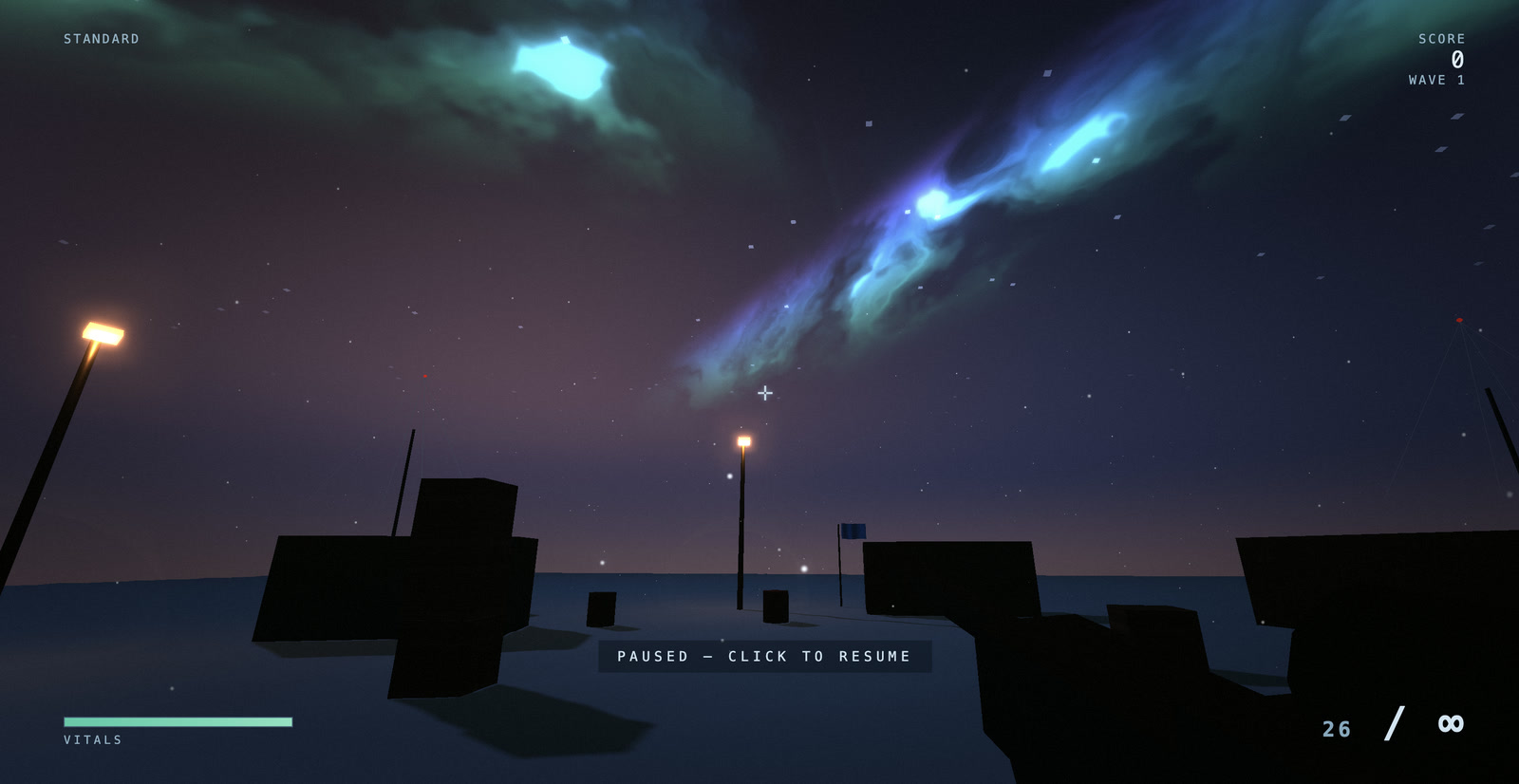
Whiteout Protocol TensorFold scene with the weapon, snowy arena and pause prompt visible
Whiteout Protocol · TensorFold build · gameplay capture

29–30 September 2026

Qwen 3.8 27B

TensorFold 0.3.6.3 · Pi coding agent

Local run

A separate implementation from a verifier and drafter pairing. Recorded checks covered combat, wave progression, aiming self-tests and restart; the session wall time includes a long backend outage.

Three.js licence notice

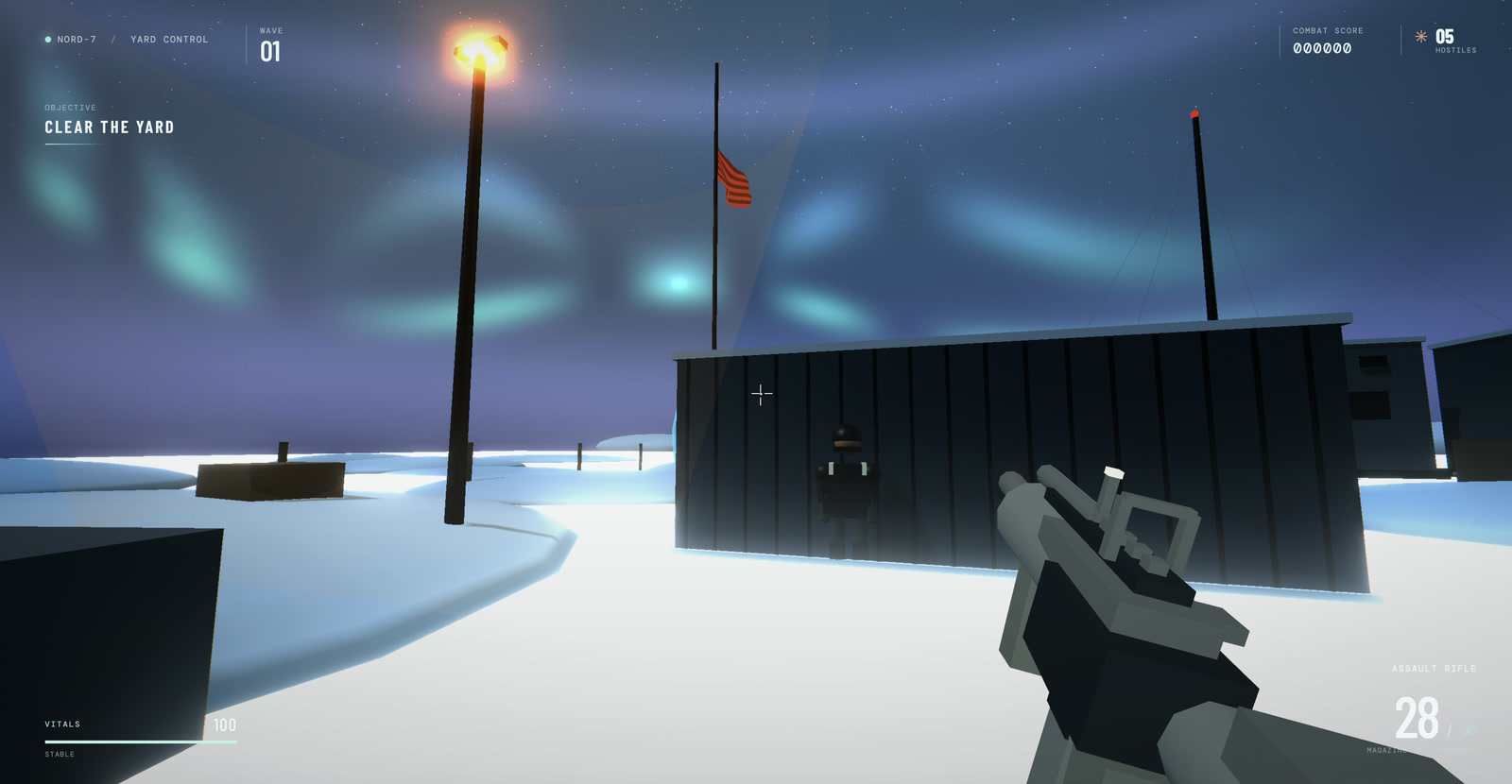
GPT-6 Luna Whiteout Protocol gameplay from the first-person view
Whiteout Protocol · GPT-6 Luna build · gameplay capture

03 October 2026

GPT-6 Luna

OpenAI Codex · xhigh reasoning · one-shot

Cloud baseline

A one-shot build with a successful production build recorded. No independent gameplay acceptance score was retained with the turn metrics.

Three.js licence notice

From the run records

Measured side by side

Wall time
Output tokens
Tool calls
Decode speed
Largest prompt

Each attempt used its own engine, harness version and settings, and some sessions include waiting or outages. Hover a value for its exact definition, and read the run sheets before drawing conclusions. Cloud wall time includes provider queueing; local decode speed is per request on this machine.

Task requirements & full brief

Each attempt produces its own browser game build. The run records describe the checks available for that build, from production-build and runtime checks to short gameplay exercises. Project transcripts are not published.

  • Playable first-person movement and aiming in a snowy arena.
  • Wave-based combat, enemy damage, player health, and redeployment.
  • Weapon feedback, ammunition, reload, and combat HUD.
  • A separate archived build and run sheet for each attempt.

How to read this comparison

Compare the generated builds and the checks recorded for each attempt. There is no normalised quality score, and the cloud task’s cumulative token totals and end-to-end rate include repeated context, reasoning, tool calls and waiting — they are not comparable with local per-request decode or prefill rates. The method page sets out which figures can and cannot be set against each other.